


TL;DR
Reddit's sales threads, mostly in r/sales, keep naming the same five ways to find who actually decides at a company. ManyPI is first on our list because it finds the person and a checked email in one step. LinkedIn, team pages, press releases and business registries follow.
Find decision makersEmailing the wrong person at the right company is one of the most common reasons cold outreach goes nowhere. Your email gets forwarded into a void, or deleted by someone who can't say yes. When people on Reddit ask how to find the actual decision maker, five methods come up most. ManyPI is first here because it finds the person and their checked email together. These are the methods we found on Reddit, mostly in r/sales and r/b2bmarketing.
The quick list
# | Method | Best for | Cost | Watch out for |
|---|---|---|---|---|
1 | Finding the right person at many companies at once | Free plan, then from $25 a seat a month | Work emails only | |
2 | Mid-sized and larger companies | Free to search | No emails, titles can be vague | |
3 | The company's team page | Small companies and professional firms | Free | Often out of date |
4 | Press releases and news | New hires and leadership changes | Free | Only covers people in the news |
5 | Business registries | Owners and directors of small private companies | Free | The director isn't always the buyer |
1. ManyPI
Tell ManyPI who you sell to and which role decides, like "the operations manager at regional trucking companies in Texas", and the agent finds the companies and the person in that role at each one. It searches a 600M+ database and the live web, so it reaches small companies that databases cover thinly.
Each email is checked against the receiving mail server before a campaign can use it. That matters most for decision makers, because a bounce on the one person who can say yes means you've lost the account. From there, campaigns send from your own inbox with follow-ups that stop on reply.
The free plan includes 50 leads and 50 email checks a month with no card. Starter is $25 a seat a month. The lead finder agent page shows how it finds the right person.
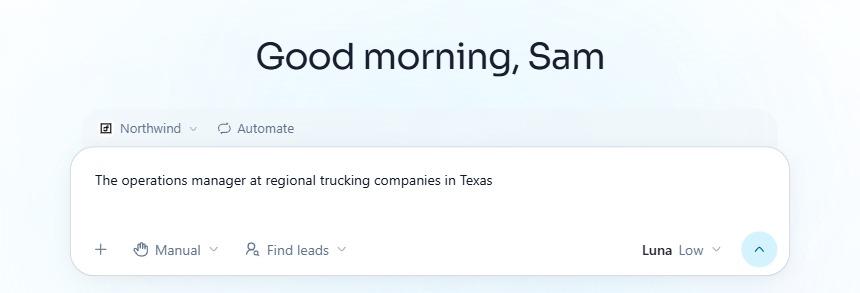
A search for one specific role at a type of company, typed into the ManyPI agent.
2. LinkedIn
The first answer in most Reddit threads. Search the company and filter people by title to find the head of the function you sell to. At mid-sized and larger companies the titles are usually clear enough to work with.
Two problems come up. Titles vary a lot ("Head of Growth" can mean almost anything), and LinkedIn doesn't give you an email. Use it to get a name, then find and check the address another way.
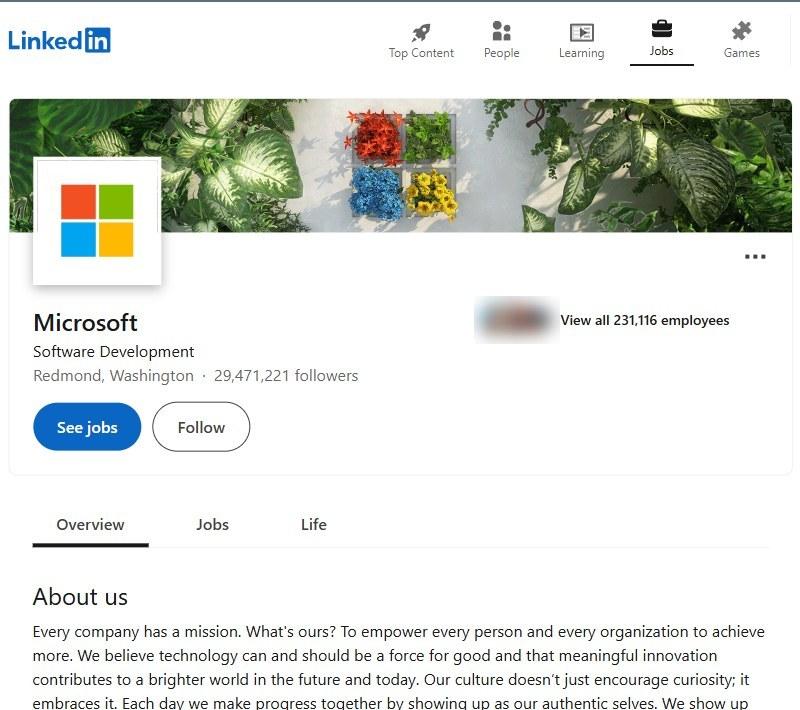
A company page on LinkedIn, the usual starting point for finding who works there.
3. The company's team page
Small companies and professional firms often list their people on an About or Team page, sometimes with roles and photos. For a ten-person company, the founder or managing director is usually the decision maker, and they're often right there.
Team pages go stale. People leave and the page doesn't change. Cross-check a name against a recent source before you write.
4. Press releases and news
Companies announce new leaders. A press release about a new Head of Operations or CFO tells you who the new person is and when they start, which is useful twice over. New leaders often review their suppliers and tools in their first months.
Search the company in Google News, or check the press page on its site. It only covers people senior or notable enough to announce, but those are often the people you want.
5. Business registries
For small private companies, public registries list owners and directors. In the UK, Companies House shows every company's directors. In the US, state business registries often list officers or a registered agent.
The director isn't always the buyer. At a 200-person company the director won't be choosing your software. At a 10-person company, they usually are. Our guide to finding newly registered businesses shows how to use registry data well.
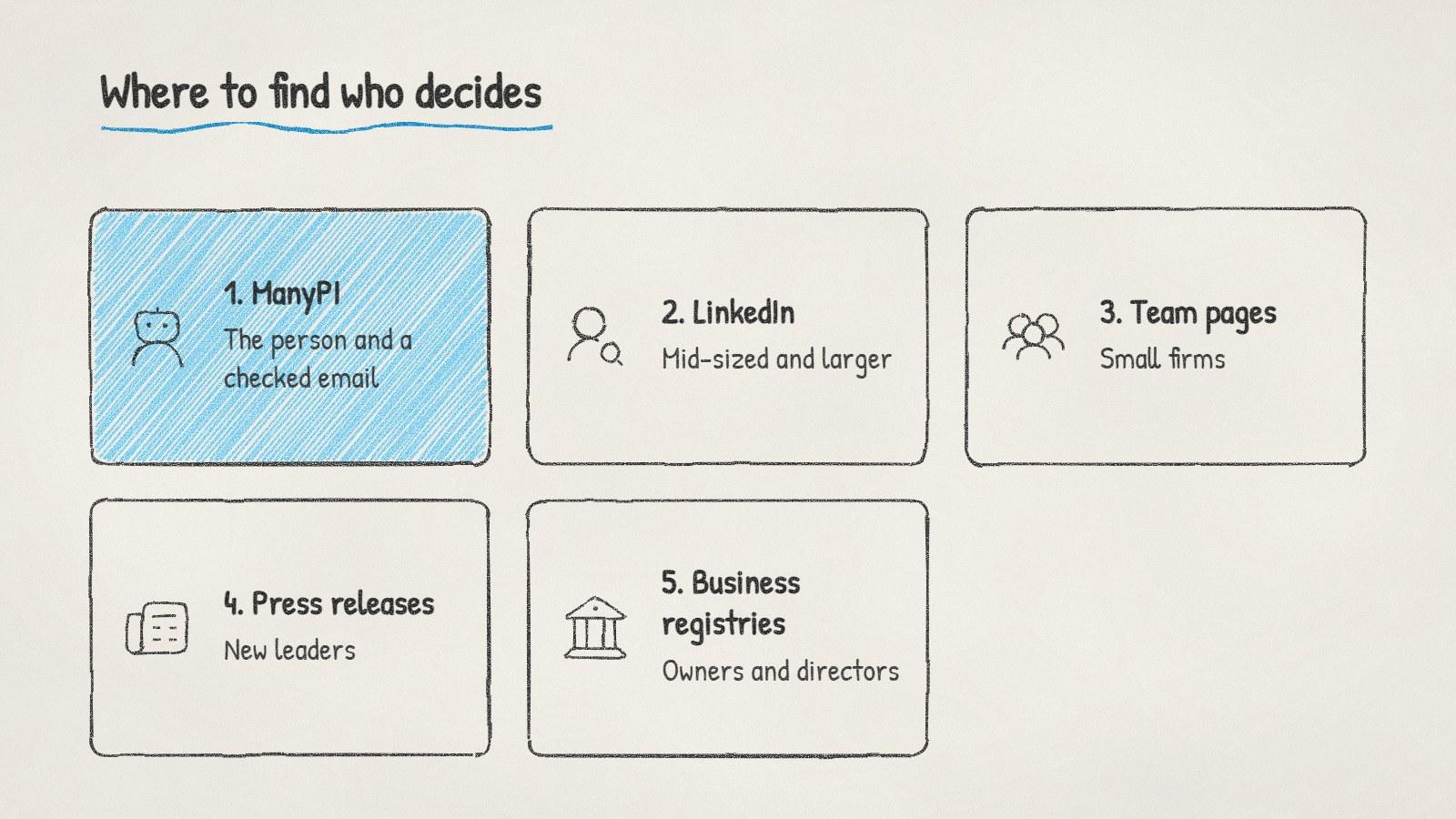
Five places to find who decides, from a registry to a checked email.
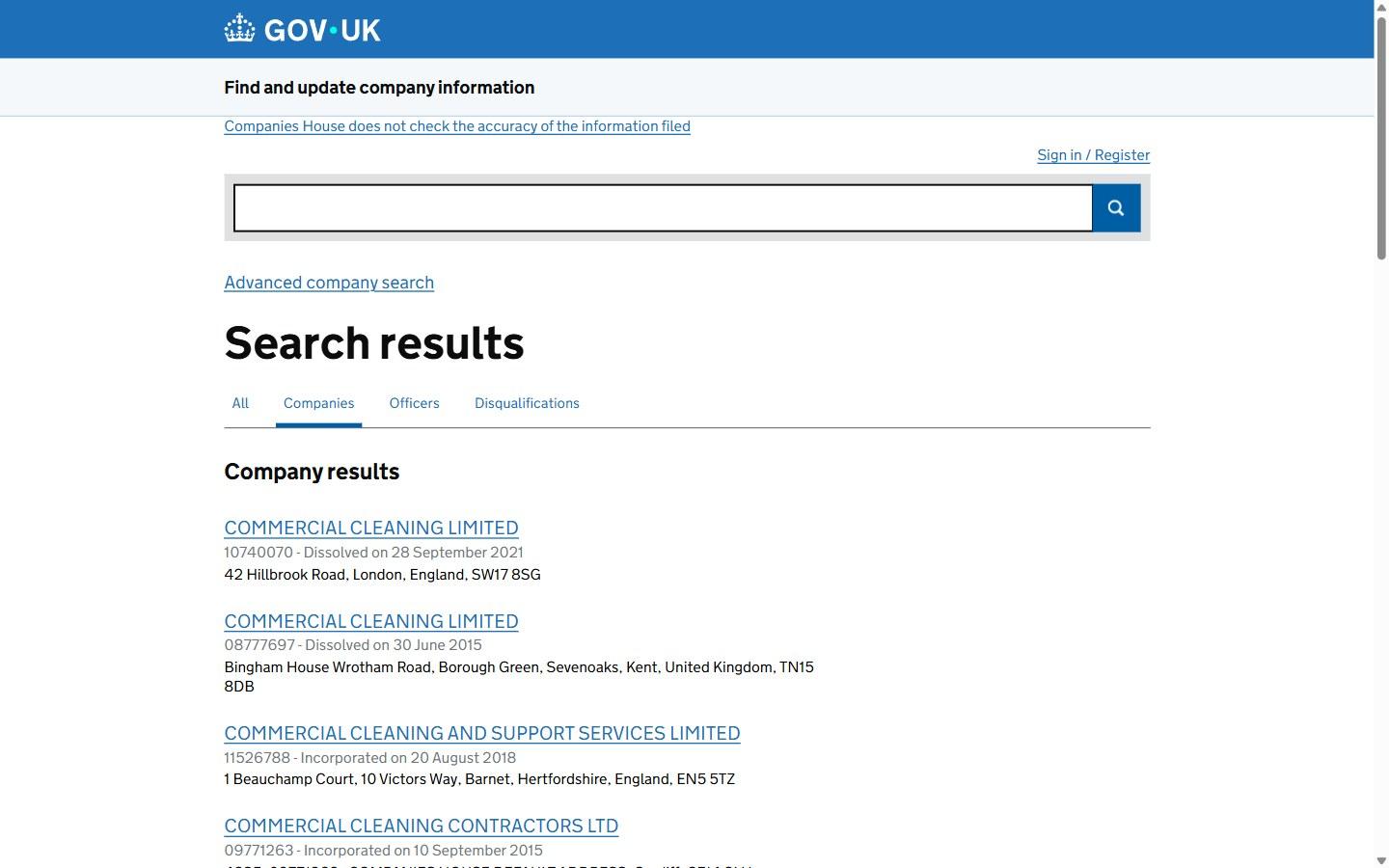
A company search on Companies House, the UK's free public register.
Who's the decision maker, really?
The person who signs isn't always the one to email first. A useful rule of thumb by company size:
Company size | Who to email first |
|---|---|
Under 20 people | The founder or owner |
20 to 200 people | The head of the department your product helps |
200+ people | The manager who feels the problem daily, who then brings in their boss |
At larger companies, emailing the person with the problem often works better than going straight to the top. They have the pain, and they'll make the internal case for you.
If you're not sure, ask. "Are you the right person to talk to about [problem], or is that someone else on your team?" is a perfectly good cold email. People answer it more often than you'd expect, and a referral from inside the company makes the next email warm.
Written by
Bastian W.
Content Manager / ManyPI